Friendship and Connection: Benefits of Small Senior Look After Memory Loss
Business Name: Hearthstone South Weber
Address: 6980 S 475 E, South Weber, UT 84405
Phone: (385) 380-3382
Hearthstone South Weber
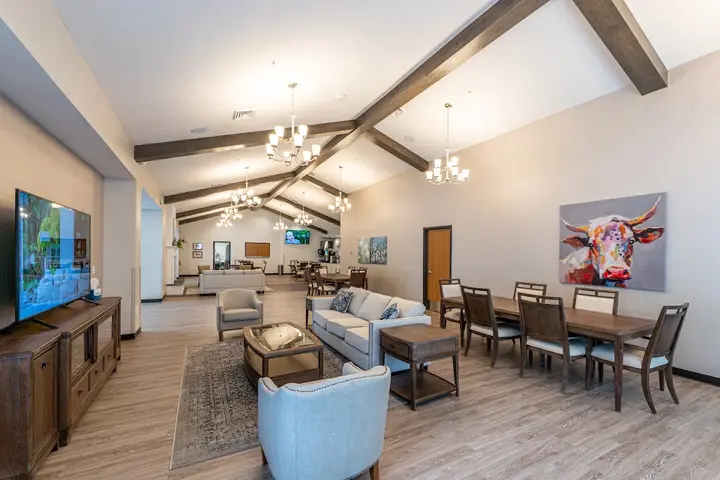
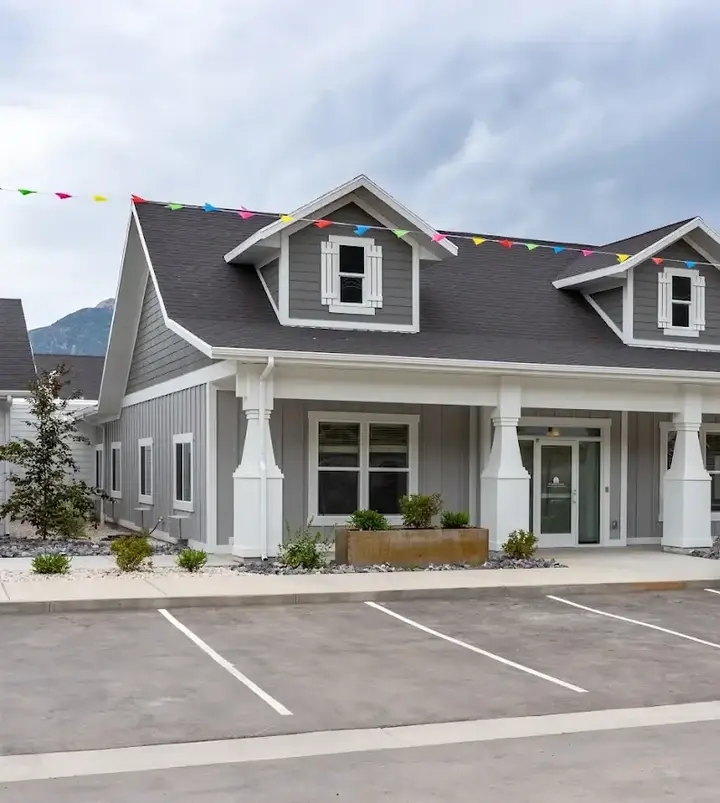
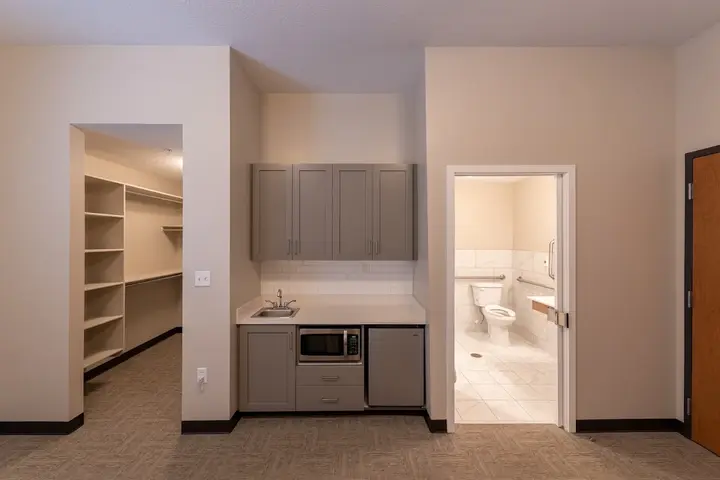
Our assisted living and memory care community sits in a quiet South Weber neighborhood at the mouth of Weber Canyon, minutes from Ogden Regional Medical Center and close to family across Davis and Weber counties. We offer Assisted Living private studio apartments for seniors who want independence with a helping hand: medications, bathing, dressing, meals, and housekeeping. We also provide Memory Care secure, calm setting with structured routines and 24/7 supervision for residents living with Alzheimer's disease or other dementia. We've cared for residents here since 2019, with attentive caregivers, home-cooked meals, and a calendar full of things to look forward to.
6980 S 475 E, South Weber, UT 84405
Business Hours
Families usually get to memory care crossroads after a series of small alarms. A pot left burning on the stove. A missed out on medication that utilized to be second nature. A parent who when hosted big holiday dinners now puzzled and withdrawn at the table.
The requirement is apparent: security, structure, medical oversight. The worry is just as genuine: losing the person's identity in a big, institutional setting where they become a space number instead of a name.
This is where little senior care environments can alter the trajectory, especially for individuals coping with Alzheimer's or other forms of dementia. Not ideal, not magical, however frequently more humane, more flexible, and more in tune with the lived truths of memory loss.
What "little" actually implies in senior care
When households hear "small care setting," they frequently visualize a personal home with two or three residents. In practice, small senior care for amnesia covers a range of models, however they share a few core traits.
Some common formats consist of:
- Residential care homes with 4 to 10 locals, typically in a transformed single-family house.
- Memory care cottages, organized on a school, each with a little, consistent group of residents.
- Boutique assisted living neighborhoods that cap each wing or home at a low number.
The precise licensing category differs by state and country. Some are licensed as assisted living or residential care facilities. Others run as specialized memory care homes. A couple of offer respite care beds, so households can reserve short stays, for instance after surgical treatment or throughout a caregiver's prepared break.
The crucial distinction is not just the variety of locals, however the scale of life. Instead of a large dining hall, you might see a kitchen area table with eight chairs. Instead of turning personnel across a number of floors, a little group often stays with the exact same residents day after day.
For people with dementia, that scale matters.
Why continuity soothes the brain
Memory loss does not eliminate the human requirement for predictability. In reality, dementia makes consistency even more valuable.
Think about how disorienting it feels to get up in a hotel space after a long flight. Your brain needs a few seconds to bear in mind where you are, which way the bathroom is, what time zone you have landed in. Now think of bring that micro-confusion through every hour of every day.
In a little senior care environment, continuity becomes a protective layer. The very same caretaker brings breakfast each early morning. The exact same armchair sits by the very same window. The same neighbor at the table likes her coffee with too much cream. This steady repetition gradually knits together a psychological map that even a harmed brain can lean on.
From years working alongside nurses and caretakers in memory care, I have actually seen three particular benefits of this continuity.
First, habits frequently settle. Residents who wandered continuously in a large, noisy unit in some cases unwind when they realize that the world around them is stable and knowable. They stop inspecting every door due to the fact that they no longer feel trapped; they simply live in a smaller sized, reasonable place.
Second, communication enhances. When personnel look after six locals instead of twenty, they pick up the subtleties. A furrowed eyebrow at 3 p.m. May signal discomfort, or it might mean the person constantly grew restless before afternoon milking on the farm. Recognizing that pattern changes the response from "time for a stress and anxiety tablet" to "let's walk outside and discuss your old barn."
Third, families can interact better with staff. In a small setting, you typically understand who to text when Dad starts mixing up his words, or when Mom's sleep pattern changes. That feedback loop, developed on relationships, results in quicker, more individualized interventions.
Continuity does not cure dementia, but it can lower the variety of crises that require emergency room visits or hurried medication changes.
The power of real companionship
Companionship in senior care often seems like a soft principle, secondary to the "major" work of medications and fall prevention. Yet for individuals dealing with memory loss, human connection is as critical to wellbeing as any tablet in the med cart.
In large facilities, staff move quick. They must. Ratios of one caretaker to 10 or more locals are common in assisted living and memory care systems, especially on nights and weekends. Even with the very best intents, that leaves little time for sluggish conversation or spontaneous activity.
Smaller senior care homes can tilt this balance. With fewer residents, the very same team member can help with dressing, share breakfast, help with a puzzle, and sit together with somebody during a distressed spell. The discussion that starts throughout tooth brushing can continue in the living room. That continuity of individual, not simply place, is deeply grounding.
I keep in mind one gentleman, a retired engineer with vascular dementia, who moved from a big facility into a six-bed home. In the previous setting, he was labeled "exit-seeking" after several attempts to leave of the system. The doors were alarmed. His family was alerted that he might need one-to-one supervision.
At the smaller home, the supervisor watched him for a week. She observed that his "exit efforts" appeared around the shift change, when staff at the bigger center were busiest and least offered to chat. In the small home, she simply asked, "Wish to assist me examine the fence?" at those very same times. They would stroll the yard together, examining gate locks. Ultimately, he started initiating the routine himself, tapping his watch at the usual hour. The urge to bolt transformed into a shared task.
What changed was not the man's brain, but the environment's capability to provide real companionship. He no longer needed to yell, with his feet, that he felt ignored.
Companionship in little senior care tends to be woven into the day: folding towels together, thinking back over old dishes while prepping lunch, sitting on the porch to track neighborhood dogs. None of this looks like a "program" on a shiny sales brochure, yet it frequently matters more than the scheduled bingo game.
Assisted living vs small memory homes: what actually differs
Families often ask whether they should look at traditional assisted living, committed memory care, or smaller sized residential homes. The answer depends on the person's level of need, personality, and financial circumstance, but there are genuine differences worth understanding.
Here is a basic contrast that shows what lots of households encounter in practice, acknowledging that there are exceptions on both ends of the spectrum.
- Scale: Larger assisted living and memory care communities might have lots of homeowners on a single floor, while little homes usually serve 4 to 10 locals per house.
- Staffing attention: In a little home, staff are most likely to know every resident's habits and individual history. Larger structures may have more experts, but also more handoffs.
- Environment: Conventional settings frequently feel more like hotels or healthcare centers. Small homes typically look like, and frequently are, single-family houses.
- Flexibility: Little settings can be nimble about day-to-day regimens and choices. Larger operations might follow tighter schedules to collaborate many residents at once.
- Social energy: Some individuals thrive with a larger crowd, routine home entertainment, and varied activities. Others do much better with a quiet, family-style rhythm.
The nuance matters. A very social individual who enjoys music performances, spiritual services, and big group activities may really feel tired in a small home with little structured programming. On the other hand, somebody currently overwhelmed by sound and hectic areas may discover a little, foreseeable environment far easier to navigate.
Memory care requirements often change over time too. Early in the disease, a person might fit much better in assisted living with some memory assistance, particularly if they still manage a number of jobs separately. As dementia progresses and the individual needs more cueing, assist with personal care, and close behavioral observation, a smaller sized design can end up being more appropriate.
Designing days that feel familiar, not institutional
People living with dementia do not need entertainment every hour. What they require is function, rhythm, and a sense of belonging in an identifiable day.
Smaller senior care homes typically have a simpler time creating this sort of "normal life" structure. They run on the scale of a household, not a hotel.
Breakfast might be made to order, with residents sitting close-by while personnel cook. Folding laundry can function as a cognitive exercise and a method to contribute. A walk to check the mail provides motion, fresh air, and a small routine of ownership: "This is our home, and this is our mailbox."
In practice, a day in a great little memory care setting may look like this:
The early morning starts without a blasting overhead page. Rather, a caretaker carefully wakes Mrs. Lopez the method her daughter explained during consumption, by opening the curtains initially and placing on her preferred ranchera music. Coffee fragrance reaches the corridor. Some citizens wander into the kitchen area in robes. Others choose to dress first, with help.
Midday may include a simple group activity, like peeling apples at the table while talking about childhood dishes. The outcome, a homemade cobbler, is secondary to the shared work. Personnel take care to include even those with advanced dementia, perhaps by handing them safe, soft cloths to clean the table or feel the texture of the fruit.
Late afternoon, frequently a high-risk time for agitation known as "sundowning," becomes a structured comfort duration. Rather of citizens spread and restless in a big lobby, the small home might collect everyone for a familiar routine, like enjoying a particular old film, listening to hymns, or hosting a "mail sorting" session with real and reproduction envelopes.
Nighttime care respects individual patterns as much as health allows. Some individuals with dementia revert to earlier-life shifts, such as night owl practices from decades of working night tasks. A small home can sometimes bend staffing to enable safe, quiet wakeful periods, rather of requiring everyone into a single 8 p.m. Bedtime.
This type of personalization is not special to little homes, however the smaller the group, the more practical it becomes.
Respite care as a pressure valve for families
Family caretakers frequently wait too long to seek help. Guilt, financial concerns, and promises made in much healthier years can keep someone caring 24/7 in the house long past the point of burnout. When crisis hits, choices narrow.
Respite care can disrupt that pattern. By organizing short remain in a senior care setting, typically in between a couple of days and a couple of weeks, households can rest, take a trip, or handle emergency situations, while the person with dementia receives structured support.
Small homes are often well matched for respite care, since they can take in a new resident into a consistent, homelike rhythm without frustrating them. The environment looks less foreign than a big facility, and it is simpler to build relationship rapidly with a small staff team.
For example, a child caring for her mother with moderate dementia in the house might set up a one-week respite remain every three months in a close-by residential care home. Gradually, her mother starts to recognize your home and personnel. The shift each visit grows smoother. If irreversible placement becomes essential later on, the move may feel more like returning to a familiar second home than being "put away."
This is not only a psychological benefit. Planned respite can prevent medical crises. Caregivers who get routine rest typically handle medications more properly, react more patiently to repetitive questions, and notice subtle changes earlier. A small setting that understands the household well can likewise flag concerns, such as new mobility problems or swallowing problems, before they escalate.
Some little homes provide really limited respite because every bed represents a substantial portion of their income. Others deliberately reserve one space for short stays. It deserves asking, particularly if you understand that long-term caregiving in the house will need periodic breaks.
Safety without removing away autonomy
Any senior care environment need to keep locals safe, especially when amnesia causes wandering, poor judgment, or trouble with balance. The question is how to develop safety into the environment without turning it into a locked, medical box.
Small homes tend to incorporate safety functions more silently into the material of your home. Door alarms can be subtle, rather than heavy magnetic locks. Outside areas can be completely enclosed however still look and feel like a yard, not a security lawn. Kitchen areas can be partly open, with knives stored out of sight but citizens still able to see and participate.
Care ratios matter here. A caretaker watching 6 locals can track motion more easily than one accountable for fifteen spread throughout a big wing. This enables more nuanced guidance. Instead of banning all outdoor gain access to, a little home may permit particular citizens accompanied walks, based on their history and existing level of risk.
Risk tolerance differs by company and by household. Some little homes embrace an extremely protective position: alarms on every door, stringent borders around without supervision motion. Others accept what is in some cases called "self-respect of threat," accepting that minor falls or occasional confusion outside on the patio area are a cost worth spending for a more active, engaged life.
A thoughtful method to dementia care usually lands in the middle. For instance, personnel might lock the front door however keep a fenced garden constantly offered. They might set up motion sensing units that alert caretakers when somebody enters the bathroom during the night, allowing prompt assistance without hovering or video cameras in personal spaces.
Families should ask not just "Is this location safe?" however "How do you stabilize safety with independence?" The answers often reveal more about the culture of care than any brochure.
The psychological load on staff and how little settings help
Good dementia care is emotionally demanding work. Personnel become connected to homeowners, who gradually decrease. They take in stress and anxiety from households and behaviors from homeowners. In large centers, burnout and turnover can be high, which deteriorates continuity.
Small senior care homes can not remove burnout, but they typically structure work in manner ins which support personnel and, indirectly, residents.
Caregivers in smaller settings usually have:
- Deeper individual relationships with citizens, which make the work more meaningful.
- More differed tasks, reducing uniformity and allowing various skills to surface.
- Greater say in day-to-day routines and decisions, increasing their sense of ownership.
- Closer contact with management, reducing the range between issue and solution.
- Clearer feedback from families, which can verify great and highlight specific improvements.
When personnel feel respected and involved, they stay longer. Longer period indicates homeowners live amongst familiar faces, not a continuously changing parade of strangers. For people with amnesia, that continuity can soften the worry that "everybody I know keeps vanishing."
Of course, small homes can likewise have problem with staffing. A single resignation or illness can strain the schedule more than in a huge organization. Families ought to ask how the home deals with call-outs, what backup staffing strategies exist, and whether they use firm personnel or pull from a recognized pool of part-time employees.
Trade-offs and restrictions of little senior care
Small does not instantly indicate much better. It implies different, with particular strengths and weaknesses.
On the favorable side, families typically notice:
The environment feels more individual and less institutional. Personnel know locals' histories in detail and customize care. Shifts, such as from home to care, feel less jarring. Communication with decision-makers is normally quicker and more direct.
On the difficult side, you might encounter:
Limited scientific depth on website. A big memory care unit may have a nurse on every shift, whereas a small home might count on going to nurses or on-call assistance. Fewer on-site facilities. You will not see a gym, theater, or full activities department in a six-bed house. Variable regulation and oversight. In some areas, residential care homes deal with looser oversight than licensed assisted living or nursing homes. In others, they are firmly managed. Families should understand their local structure. Financial complexity. Smaller operations typically have less capability to accept specific insurance coverage strategies or public funding. Some rely totally on personal pay.
There are likewise edge cases. An individual with extreme behavioral symptoms, such as frequent violent outbursts, may really need the specialized staffing and security of a bigger, hospital-affiliated dementia care unit. Alternatively, somebody with early-stage memory issues however complicated medical needs might fit better in a nursing home with robust rehab and experienced nursing, instead of any small home.
The secret is to match the environment to the individual, not the other method around.
Questions families ought to ask when exploring small memory care settings
Choosing a senior care environment is hardly ever a purely logical choice. It blends gut instinct, financial reality, medical need, and household dynamics. Still, particular questions can bring clearness, especially when examining small homes for somebody with dementia.
Consider utilizing this short list throughout tours:
- How many residents live here, and how many caretakers are on each shift, including nights and weekends?
- What specific training do personnel receive in dementia care, interaction, and managing difficult behaviors without heavy sedation?
- How do you deal with medical problems after hours or on weekends, and who decides when to call 911?
- Can you explain a current tight spot with a resident and how personnel dealt with it?
- How do you include households in care planning and updates, specifically when the resident can no longer speak plainly for themselves?
Pay attention not just to the responses, but to the method staff respond. Protective or unclear replies may signal deeper issues. Clear, particular examples suggest a team that has actually faced real-world intricacies instead of speaking in slogans.
Also look for little details. Do residents seem groomed in such a way that reflects their typical design, or is everybody in generic sweatpants? Are staff dealing with locals by name, and do they wait on reactions instead of rushing through jobs? Exists evidence of life, such as family photos, used cookbooks, or a half-finished puzzle, or does the area appearance staged for visitors?
When to review the decision
One of the greatest mistaken beliefs in senior care is that placement is a single, decision. In reality, dementia care unfolds over years, and requires shift. What fits now may require reviewing later.
Families who select a small senior care home frequently face three inflection points.
The first comes if physical care requirements surpass what the home can supply. For memory care near me instance, a person who ends up being fully bedbound and requires complex wound care or feeding tubes may require a greater level of experienced nursing, even if their cognitive requirements are still well supported.
The 2nd develops when habits escalate beyond the home's capacity. A resident who starts striking staff, barricading doors, or experiencing serious psychosis might need short-term inpatient psychiatric care. Some little homes can re-integrate such citizens afterward, especially with medication adjustment and behavior plans. Others can not securely do so.
The 3rd inflection involves financial resources. Long-term dementia care is expensive in any setting. A home that appeared manageable at the beginning may grow unaffordable if cost savings deplete and public benefits do not cover that type of facility. Planning early with an elder law attorney or monetary planner who comprehends long-lasting care can help avoid required moves based entirely on cost.
Good suppliers acknowledge these truths upfront. They discuss plainly what they can and can not handle, what indications may trigger a discussion about change, and how they support transitions if they become necessary.
The much deeper advantage: maintaining personhood
Underneath all the practical information of assisted living, memory care, respite care, and dementia care lies a much deeper question: How do we safeguard the personhood of someone whose memory is unraveling?
Small senior care settings are not the only response, however they can support that goal in unique ways. In a world that frequently treats people with dementia as problems to be managed, a house-sized environment can make it easier to keep in mind that this resident is likewise:
A retired instructor who used to stay up late grading documents. A carpenter who can still tell you, with satisfaction, how to square a corner. A granny who never served a vacation meal without homemade biscuits.
Companionship and connection do not bring back lost neurons. They do something subtler and just as essential. They provide the individual with memory loss a much better chance to live the rest of their story in a place that feels like it still belongs to them.
Hearthstone South Weber provides assisted living care
Hearthstone South Weber provides memory care services
Hearthstone South Weber provides respite care services
Hearthstone South Weber supports assistance with bathing and grooming
Hearthstone South Weber offers private bedrooms with private bathrooms
Hearthstone South Weber provides medication monitoring and documentation
Hearthstone South Weber serves dietitian-approved meals
Hearthstone South Weber provides housekeeping services
Hearthstone South Weber provides laundry services
Hearthstone South Weber offers community dining and social engagement activities
Hearthstone South Weber features life enrichment activities
Hearthstone South Weber supports personal care assistance during meals and daily routines
Hearthstone South Weber promotes frequent physical and mental exercise opportunities
Hearthstone South Weber provides a home-like residential environment
Hearthstone South Weber creates customized care plans as residents’ needs change
Hearthstone South Weber assesses individual resident care needs
Hearthstone South Weber accepts private pay and long-term care insurance
Hearthstone South Weber assists qualified veterans with Aid and Attendance benefits
Hearthstone South Weber encourages meaningful resident-to-staff relationships
Hearthstone South Weber delivers compassionate, attentive senior care focused on dignity and comfort
Hearthstone South Weber has a phone number of (385) 380-3382
Hearthstone South Weber has an address of 6980 S 475 E, South Weber, UT 84405
Hearthstone South Weber has a website https://hearthstonesouthweber.com/
Hearthstone South Weber has Google Maps listing https://maps.app.goo.gl/VWbP6MrpzTRbZkoG7
Hearthstone South Weber has an Facebook https://www.facebook.com/hearthstone.south.weber
Hearthstone South Weber won Top Assisted Living Homes 2025
Hearthstone South Weber earned Best Customer Service Award 2024
Hearthstone South Weber placed 1st for Senior Living Communities 2025
People Also Ask about Hearthstone South Weber
What assisted living care and senior care services does Hearthstone South Weber provide?
Hearthstone South Weber provides assisted living care designed to support individual resident care needs through personal care assistance, daily living support, life enrichment activities, and compassionate attentive senior care focused on dignity and comfort in a welcoming home-like residential environment
Does Hearthstone South Weber offer memory care services for seniors?
Hearthstone South Weber emphasizes compassionate senior care that supports residents with varying cognitive and personal care needs, with individualized assistance, meaningful life enrichment activities, and a comfortable home-like residential environment. Families should contact the community to confirm the availability of specialized memory care services
What respite care services are available at Hearthstone South Weber?
Hearthstone South Weber can help families explore respite care services that provide temporary senior care, personal care assistance, daily living support, and opportunities for life enrichment activities while prioritizing individual resident care needs, dignity, comfort, and peace of mind. Availability should be confirmed directly with the community
How does Hearthstone South Weber support daily living and life enrichment activities for seniors?
Hearthstone South Weber focuses on personal care assistance, individualized daily living support, and life enrichment activities that encourage social engagement, independence, and meaningful connections while providing compassionate attentive senior care in a comfortable home-like residential environment
Why do families choose Hearthstone South Weber for assisted living care and senior care?
Families considering Hearthstone South Weber can look for assisted living care that emphasizes individual resident care needs, personal care assistance, meaningful life enrichment activities, and compassionate attentive senior care focused on dignity and comfort, along with a welcoming home-like residential environment and opportunities to discuss memory care services and respite care services based on their loved one's needs
Where is Hearthstone South Weber located?
Hearthstone South Weber is conveniently located at 6980 S 475 E, South Weber, UT 84405. You can easily find directions on Google Maps or call at (385) 380-3382 Monday through Sunday Open 24 hours
How can I contact Hearthstone South Weber?
You can contact Hearthstone South Weber by phone at: (385) 380-3382, visit their website at https://hearthstonesouthweber.com/ or connect on social media via Facebook
You might take a short drive to the Cedar Cove Park. Cedar Cove Park offers a peaceful neighborhood setting where individuals and families involved with assisted living, memory care, senior care, elderly care, and respite care can spend quality time outdoors.